
-
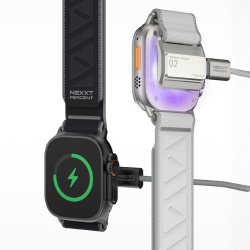
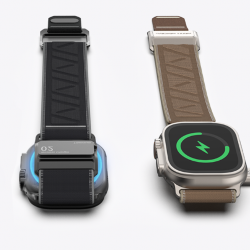
*早鳥集購* EnergyLink Gen2 鈦合金 輕量磁吸快充錶帶|Apple Watch 專用
HK$ 399 – HK$ 629HK$ 579 – HK$ 899 -
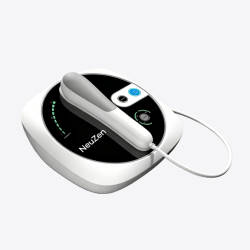
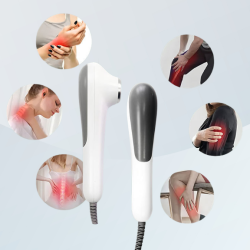
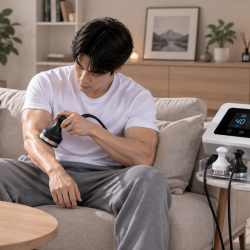
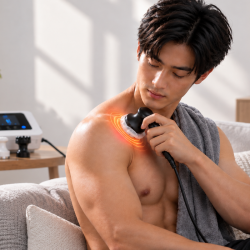
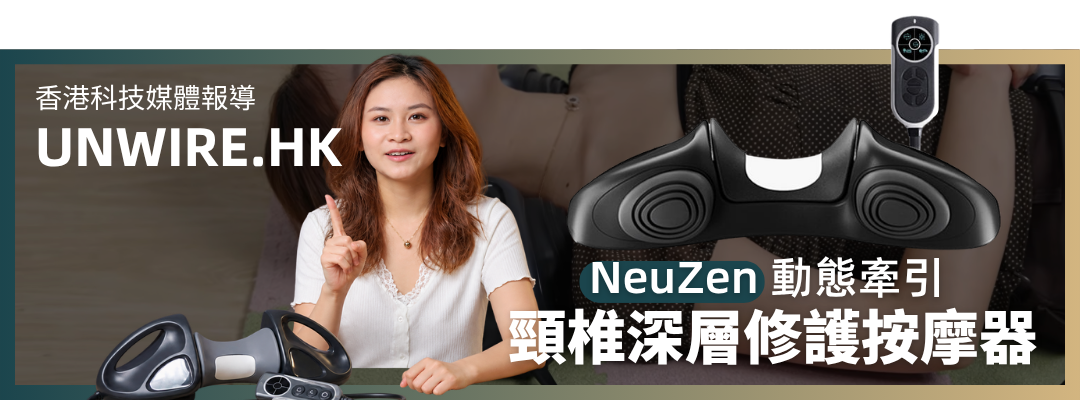
*早鳥集購* Neuzen 超聲波 1MHz 深層肌肉修復儀
HK$ 1,499HK$ 2,499 -
*早鳥集購* Bigme B251 Pro 25.3吋 彩色墨水屏顯示器|最高 60FPS 更新率
HK$ 9,999HK$ 12,859 -
HiBREW G64Plus 全能高端咖啡電動磨豆機 | 150段無級研磨 x 64mm 平刀 (11月19日寄出)
HK$ 2,380 – HK$ 2,980HK$ 3,980 – HK$ 4,980 -
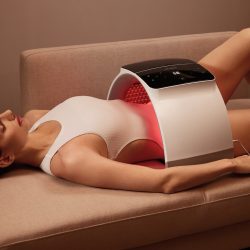
SWIRISE 7合1多波段深層滲透光療儀 | FDA 註冊認証 適用於臉部及全身
HK$ 1,499HK$ 3,099 -
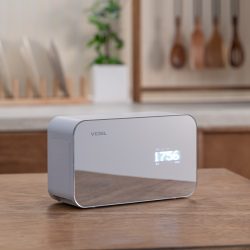
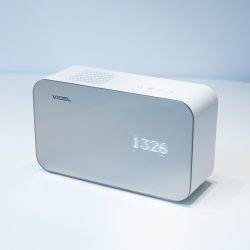
醫療級 VIDEL-D 免耗材奈米氧離子殺菌除味器|韓國製造 (品牌直送)
HK$ 1,399HK$ 1,999 -
PLAUD NOTE:首個ChatGPT 驅動 AI卡片錄音機
HK$ 1,119HK$ 1,699 -
*早鳥集購* JOVS Air 冰感無痛輕量美肌脫毛儀 – 青春款 (現貨發售)
HK$ 1,649HK$ 2,500 -
日本今治睡眠⽤⽑⼱2 (11月19日寄出)
HK$ 449HK$ 799 -
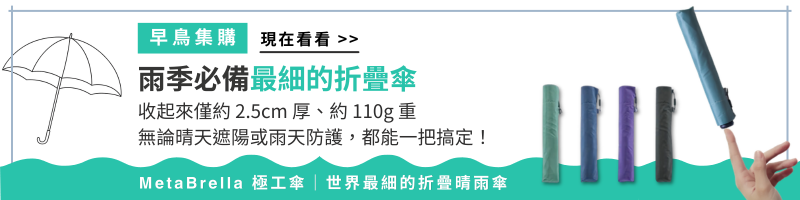
ROLLS新世代反向瞬間捲收傘 (現貨發售)
HK$ 399HK$ 499 -
*10月優惠* BodyPedia 智能健康監測儀 (現貨發售)
HK$ 789HK$ 1,499 -
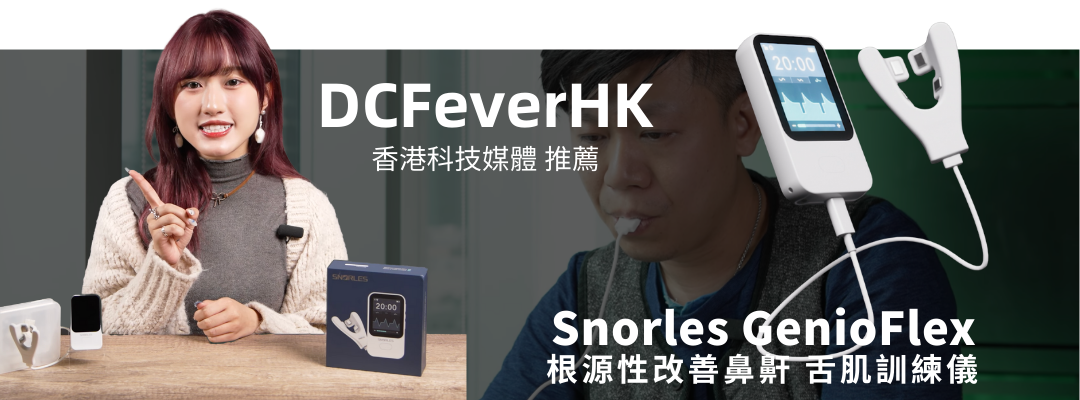
Sleepmi Z3 第三代 EMS止鼾睡眠偵測器 (現貨發售)
HK$ 449HK$ 699 -
加拿大 Dermadry 止汗治療神器 – 最新版 (現貨發售)
HK$ 2,880 – HK$ 2,980HK$ 3,880 – HK$ 3,980 -
BP Doctor Pro 穿戴式血壓血氧智慧手錶
HK$ 1,999HK$ 2,999 -
美國 Reathlete AIR C 減壓腿部按摩器 (11月19日寄出)
HK$ 1,680HK$ 2,680 -
Motus Orbit+ 智能負重呼拉圈
HK$ 599HK$ 899

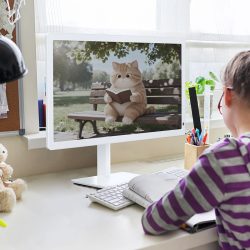
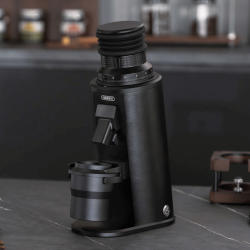
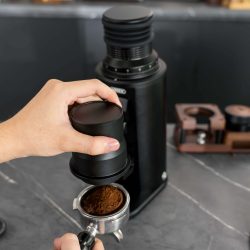
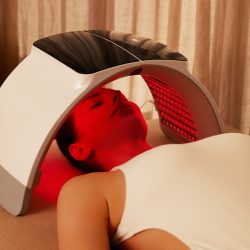



-
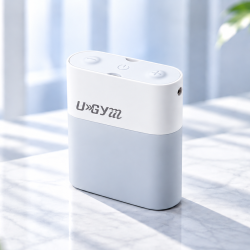
*早鳥集購* UGYM 福芯口袋型中頻電療器|31階強度調節・多部位肌肉舒緩
HK$ 1,799HK$ 2,799 -
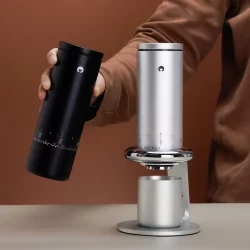
*早鳥集購*Codale 專業級無線靜音電動磨豆機
HK$ 1,399HK$ 2,199 -
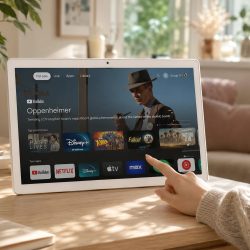
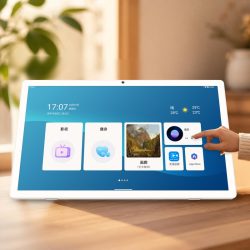
*早鳥集購* GFF S1-25Pro Google全能觸控 移動智慧劇院 | 內置 Android 系統
HK$ 3,699HK$ 5,299 -
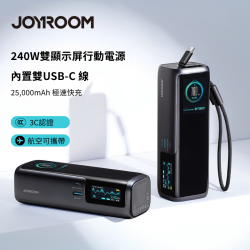
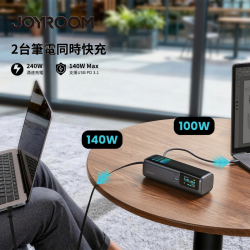
*早鳥集購* JOYROOM PODIX 240W 25,000mAh 極速行動電源|筆電 × 手機多裝置快充
HK$ 699 – HK$ 749HK$ 999 – HK$ 1,099 -
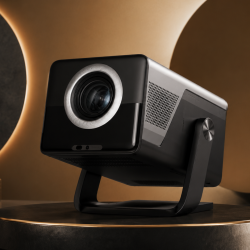
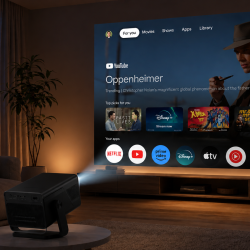
*早鳥集購* Lumora 800 ANSI 流明Google TV 家用投影機 (國際版)
HK$ 1,680HK$ 2,980 -
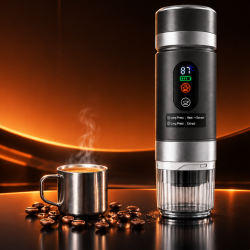
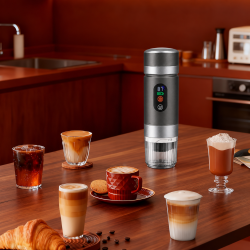
*早鳥集購* Nomadic Brew 便攜瞬熱高壓萃取咖啡機|支援咖啡粉、NS膠囊與20DG 膠囊
HK$ 599HK$ 1,399 -
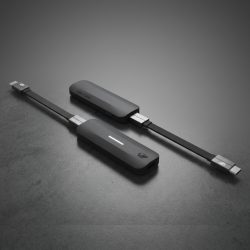
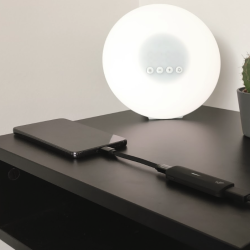
*早鳥集購* Leo 台灣製造 全裝置電池壽命延長 50% 轉接器|即插即用
HK$ 799HK$ 1,149 -
-
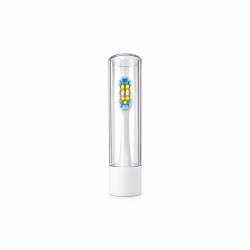
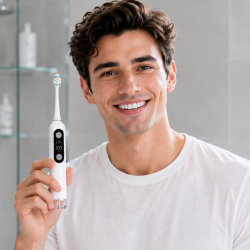
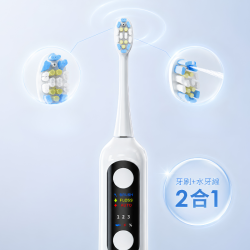
*早鳥集購* Smiley Floss 首個 UVC殺菌 水牙線電動牙刷
HK$ 688 – HK$ 1,614HK$ 1,299 – HK$ 3,897 -
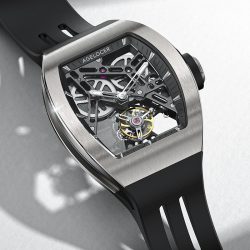
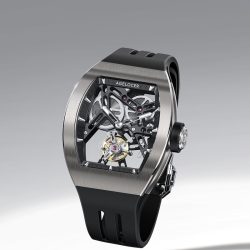
*早鳥集購* AGELOCER Aero 航空鈦金屬 陀飛輪腕錶
HK$ 11,699HK$ 16,999 -
*早鳥集購* OmniTera Bio Energy 全方位生物電脈衝 熱能按摩儀
HK$ 3,699 – HK$ 5,699HK$ 5,289 – HK$ 8,149 -
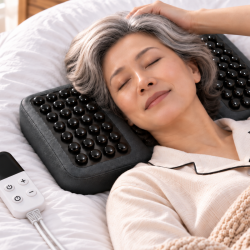
*早鳥集購* NeuZen BlackStone 失眠救星 托瑪琳石熱敷枕
HK$ 968HK$ 1,549 -
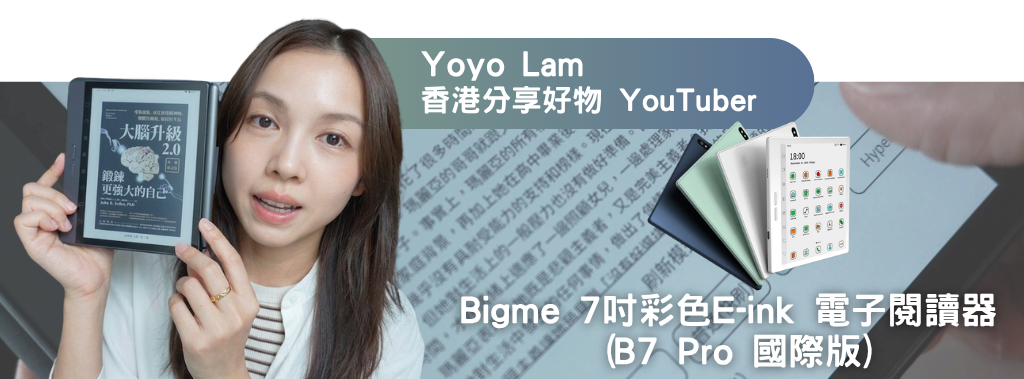
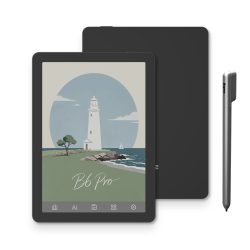
*早鳥集購* Bigme 最新 6吋彩色E-ink 電子閱讀器 (B6 Pro 升級 國際版)
HK$ 2,099 – HK$ 2,199HK$ 2,999 – HK$ 3,149 -
*早鳥集購* BOYA Notra Neo 四大AI模型 廣東話智慧錄音卡|全能 AI 助理款
HK$ 618HK$ 928 -
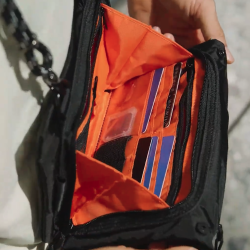
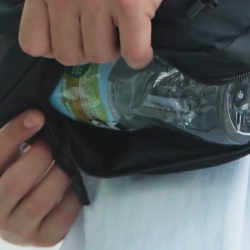
*早鳥集購* FGLA Havo 22 隔層 x 防潑水 x 防盜 旅行收納包
HK$ 568 – HK$ 698HK$ 828 – HK$ 998 -
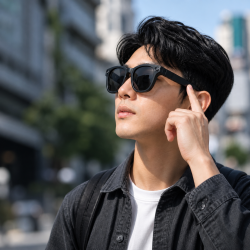
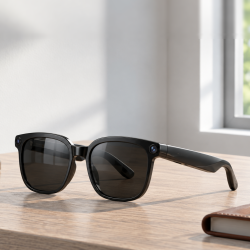
*早鳥集購* KFI 翻譯拍照 AI 眼鏡|支援粵語 × 內建ChatGPT
HK$ 699HK$ 999




-
-
-
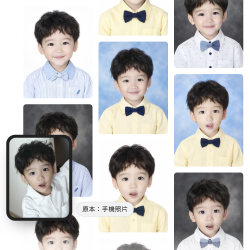
OneTakeKid 韓式影樓級兒童入學面試照片|24 張|免預約 AI 製作 (品牌直送)
HK$ 120HK$ 299 -
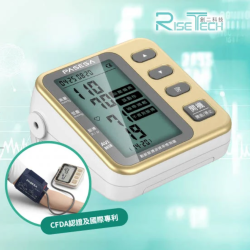
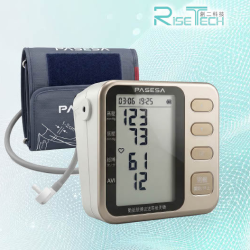
香港行貨 PASESA AVE-3000L 便攜式心血管動脈硬化檢測儀 (品牌直送)
HK$ 1,888HK$ 1,999 -
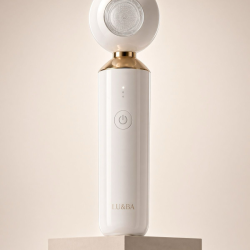
香港行貨 DJM LU&BA 膠原蛋白美容儀 (品牌直送)
HK$ 3,880HK$ 4,180 -
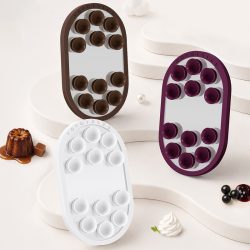
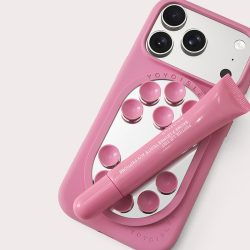
YOYOISLES MagSuction 鏡面吸盤支架 鏡子支架 支援 MagSafe (品牌直送)
HK$ 93HK$ 115 -
-
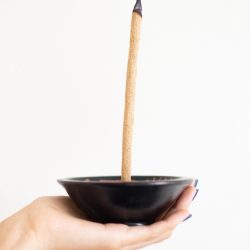
秘魯聖木/印加聖木香枝 (品牌直送)
HK$ 165 – HK$ 378 -
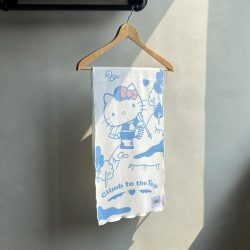
【FOSFIT】Hello Kitty 親膚浴巾/蓋毯|台灣製・超柔觸感・強吸水 (品牌直送)
HK$ 239HK$ 272 -
【FOSFIT】Hello Kitty 旅行/運動多用途快乾長巾 | 台灣製・輕薄速吸 (品牌直送)
HK$ 179HK$ 192 -
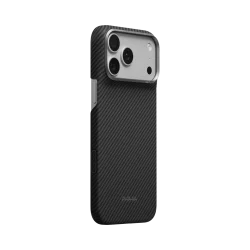
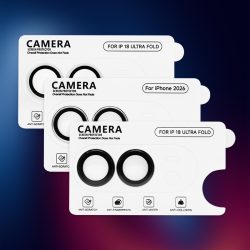
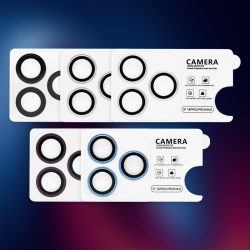
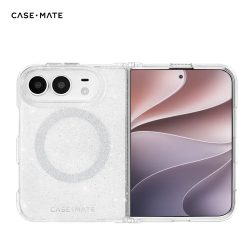
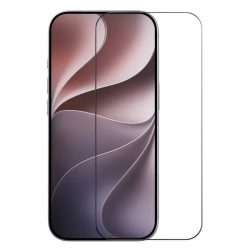
QinD Apple 蘋果 iPhone Duo 鷹眼鏡頭保護貼 鏡頭貼 定位貼膜 (品牌直送)
HK$ 55HK$ 59 -
-
-
-
-






最近 Kylie👩🏻 很投入玩一個 #STEAM玩具,這個集積木拼砌、搖控/聲控、編做程式於一身,啟發小朋友創意和程式邏輯,就算本身是無編輯程式基礎的小朋友都可以利用 App 輕鬆上手。在玩樂下激發她的創意、訓練專注力,以及解難能力,難怪大受歡迎👏🏻!

依家電子用品無處不在,就連工作嘅時候都被吸引咗去睇社交媒體😂。令我分晒心,工作效率下降🙈用咗FOCI 提升專注神器 ,可以無時無刻提醒我要focus! 佢就會震動提醒我要專注!用咗一個星期左右,工作進度理想,專心咗無再甩碌😬

平時已經發現Eunice每日做功課📖都好心散
開始用「FOCI 提升專注神器」會同囡囡👧🏻一齊練習
起初見到由多灰⾊⚪️及紅色🔴慢慢開始變得多黃色🟡
除左睇數據📊外我都睇得出實際情況係有改善😉
有左佢我就可以隨時掌握Eunice情緒同專注啦👍🏼

乾燥腳踭又出現
完全影響出街著涼腳/拖鞋
腳踭皮膚唔靚實嚇親人😨
磨走腳踭死皮,仲可以修腳
真係一舉兩得,又方便又好用 ,TOOLA 腳部護理神器,能輕鬆去除腳部死皮細胞之餘,仲唔會傷害皮膚表層。

近排做多咗運動keep fit,希望操出肌肉,體脂率減少。減肥唔只要睇磅數,重要睇體脂。💪每日掃一掃, 系app就可以睇到結果,每星期仲有分析報告,清楚顯示適合您的食物和運動。
發現一樣好物好岩我,Bello 便攜式3秒測脂機細細部,好輕便,容易用。

CACA生活智慧大發現!睇手機是日常嘅各位,有無覺得拎到手都攰?點擺點拎都睇得唔夠舒服,有乜方法呢?🤔
😱最近發現左呢個源自加拿大🇨🇦嘅手機SLEEK STRIP嘅好物,係超輕超方便,易裝易拆,容易使用嘅mini手機架

呢個UV消毒盒摺埋只有A5 size左右,所以帶出街同喺屋企收納都好輕便,用2秒打開就可以popup 成一個UV消毒盒。身為產品設計師嘅Bat 爸一向對產品嘅造工設計都好有要求,開箱後連佢都大讚呢部Deep Purple 便攜式 UV-C 消毒盒無論用料、設計、造工都好高質,「一睇就知係靚嘢」。

Apitor Robot X採用主流程式Scratch 3.0,只要動動手指、透過手機 / PAD 遙控或者聲控,還有RGB三原色感應,就可控制一部小朋友設計的機械人,我家波士年紀還小,需要哥哥恊助一起研究組裝,過程中充滿挑戰性及合作性,更能培養小朋友的耐性及專注力,成功後更有滿足感。

夏天熱辣辣,尤其做完運動,更加想飲杯凍飲享受冰涼快感!FLET 真係超方便!唔洗擔心佢會好似冰粒甘溶化而溝淡咗杯嘢飲,而且直接一個水樽帶走用,唔洗怕佢有倒汗水!

中西合璧,今次嘗試用小墨器書寫西洋書法,效果亦非常好。日後去到哪裡都可以即席揮筆書寫!

💎FOCI很小的一件小東西,夾起褲頭即可,完全不影響工作或礙眼,每當諗唔等駛嘅野,做唔等駛嘅野時,佢就會震我提醒我😂而我最大的得著就係,我可不用在兒子的身旁,都知佢有冇同我努力做功課溫習,Check下手機便一目了然‼️🐯

身邊嘅朋友都知我部#蘋果Apple Iphone 📱電話長期唔夠位、爆滿!備份豆腐 Qubii Pro 賣相好靚好的骰,隨身帶住真係好方便好輕巧,而家帶住佢出街隨時隨地可以Backup自己Iphone 的各種檔案,一嚟唔使喺電話係咁搵直接喺豆腐已經搵到File,二來Iphone 多咗好多空間,唔使再驚影相冇位Save!👏🏻

平時飲水都會用到膠樽,究竟有冇諗過膠樽回收之後會變成點呢? 我着緊嘅嗰對鞋就係用重用回收左嘅膠樽去做㗎💕而且鞋面又防水,又抗污!真係就算夏天落雨整濕咗都好容易乾呀!

夏天到啦🥵成日出去做野都會熱到傻🥲諗住裝D凍水出街解解暑啦,點知過一個鐘又變返暖水😭真係大獲😔呢隻 FLET 24小時冰凍杯就真係幫到手啦😌佢仲犀利到可以將唔凍嘅野3分鐘內變凍,真係勁誇張🤭夏天帶佢出街做野做運動真係有Feel🤘🏻😎

依家真係好熱呀🔥出海或者行山,最想要嘅梗係一杯凍冰冰嘅飲品啦, Flet冰凍杯就啱晒我啦🥳將冰棒放入飲品,3分鐘就可以變凍飲㗎啦!拎走咗支冰棒都可以keep住凍24 個鐘添😮所以我日日都帶住㗎👏🏻👏🏻👏🏻

以往我都會自己洗完白白用黑頭針清黑頭粉刺, 係就係乾淨左
但有時過度清潔🧹完個👃🏻仔就會紅哂成隻馴鹿咁🥺
而家有左nuvea, 我完全放心交塊面比佢~唔驚必得太暴力變馴鹿
自己在家保養時候feel到精華都易左滲入皮膚🧏🏻♀️

最近成日外拍影相嘅我,都用ShutterGrip™ 2[掌握街拍]✨~
咁我就可以電話變相機360度任轉~
我最中意就係佢可以一秒變成自拍棒仲要夠哂輕,咁以後影相我都可以細面啲啦~yeah✌🏻

鞋底更以獨特嘅圓點顆粒突起能增加摩擦力,完全防滑防跣腳👍仲要鞋身係好輕,外觀好睇,價錢仲要唔貴,性價比超曬標❗

「FLET 24小時冰凍杯」就幫到我啦!宜家而個天氣我特別鍾意飲凍Coffee , 又唔駛怕比冰沖淡哂!Cool!!!!!!!!
FLET 比使用冰粒更方便,直接一個水樽帶走用,岩哂會做 Gym 同鍾意飲咖啡既我!

Shuttergrip2既自拍神器感覺就好唔同
因為佢真係好輕便,又送埋個收納袋
而且佢可以調校唔同角度,適合唔同類型電話,就算我攞住黎踩滑板都唔會輕易變形

台灣大熱又攞晒設計獎嘅BAGOROLL 隨時袋終於燒到嚟香港啦!佢完全顛覆咗我對環保袋嘅印象!結合咗創新材質泰維克 Tyvek® ,可以防水防污防霉,易清潔,無異味,又輕又薄,但係布料好堅韌,可以保溫保冷!除袋附送刀叉勺🍴🥄同拍拍尺。

呢個藍芽自拍架的骰得黎好多功能,可以一秒變單手快門模式,亦可以一秒伸長15cm十人自拍無難度✌🏻
高炒低炒絕無問題,想瘦就瘦想肥就肥,最最最重要係佢只有68公克嘅重量(AirPod Pro嘅重量)輕巧又慳位,真心去玩去拍Vlog好方便💖

抗疫期間冇得去健身室!好在有OYO NOVA 便攜式全方位健身器
機身淨重只係2.5磅,可以隨時接合攜帶。 無論響屋企辦公室定係排練室都可以隨時隨地健身

留意到現在大家都很乖 會帶環保購物袋出門
但購物袋也不可以太醜 於是 很多設計師 品牌
都推出潮款 時尚 不同設計的購物袋 🛍️
.
除了環保購物袋 可以好用 時尚 都兼顧外
環保杯 也可以實用且時尚唷😜

FLET 真係超方便!唔洗擔心佢會好似冰粒甘溶化而溝淡咗杯嘢飲,而且直接一個水樽帶走用,唔洗怕佢有倒汗水!佢適合放咖啡、果汁、汽水,甚至係酒精類飲品。

頑強黑頭粉刺成日清唔走、用手擠又容易紅腫留疤?
黑頭粉刺亂咁擠好易令到毛孔發炎生暗瘡 越整越衰❌❌
nueva 擁有 60 倍高解析度鏡頭、不傷肌膚的真空負壓技術,精準對焦清除黑頭粉刺

面對厚厚腳部死皮🦶🏻
試過用 鋒利腳銼 或 膠製腳磨 磨走,
但好易用錯力導致流血🩸感染細菌😰
唔想咁樣?用TOOLA 啦!
不傷皮膚 🦶🏻1分鐘快速磨走腳皮‼️

平均一個星期用兩次,我皮膚乾淨咗好多呀~皮膚滑咗好多😗小左粉刺,上妝都貼 d💖
.

我覺得係比較適合飲大杯同凍嘅嘢飲,包括珍珠奶茶🧋、泰式奶茶🥤同堅果奶蓋茶🥜(˶‾᷄ ⁻̫ ‾᷅˵) 而且適合會一路行街一路飲,中意慢慢享受嘅人士🙋🏻♂️因為佢個連埋飲管都100%防漏真係好屈機🥰。

🌊Doughnut最新嘅Ocean Power環保背包,當中 60% 物料改用由海洋垃圾,好似漁網、漁絲、舊布、浮波等。環保之餘設計都好有心思,可以側揹、當腰包或者胸前袋,輕裝出行就啱晒,上山下海都冇問題!

依對鞋太誇張啦❗唔單止環保🔄,仲有好多超強機能❗用上可重用回收膠樽生產而成,外層仲附有一層奈米級防護膜,具備4級防潑水規格☔,鞋底更以獨特嘅圓點顆粒突起能增加摩擦力,完全防滑防跣腳👍仲要鞋身係好輕,外觀好睇,價錢仲要唔貴,性價比超曬標❗❗❗

自擁有第一隻 #Swanz保溫杯,就好喜歡💕 因為佢唔同不鏽鋼杯有限制,可以裝任何湯品、飲品包括咖啡、牛奶! 陶瓷內層好保溫,我在醫院果幾日嘅炒米茶都全靠佢焗俾我飲~

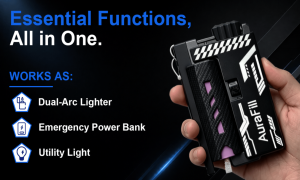
AuraFill一機三用:35W快充也能戶外點火
週五下班直接開去營地,十次有九次會卡在同一段:帳還沒完全拉好,爐頭先對你眨眼,打火機被風吹滅兩次,手機剛好掉進紅字。想跟隊友借電,對方也在翻側袋找頭燈。火、電、光每次出門都要用,卻永遠散在三個袋子裡,
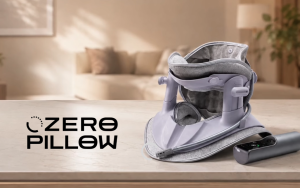
告別低頭族脖子痠痛:深度解析頸椎牽引減壓原理,為何港台上班族特別需要?
你是否經常覺得肩頸緊繃、後頸僵硬,甚至偶爾伴隨著隱隱作痛的頭痛或手臂麻木?在香港與台灣這兩個高節奏、高度數位化的城市中,肩頸問題幾乎成了現代人的「文明病」。 許多年輕人或辦公室族群常常以為這只是「肌肉
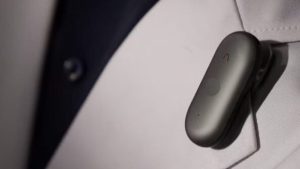
Plaud AI 語音錄音筆記機:會議通話一鍵轉文字,每月免費 300 分鐘超實用!
電話裡客戶說了一句「明天下午三點準時開會」,你當下點頭如搗蒜,掛掉電話卻怎麼也想不起來到底是三點還是三點半。身為記者、業務、或是每天會議排到滿的上班族,這種「聽進去、忘出來」的痛,真的太懂了。 最近

玩爆現代戰爭4!90FPS極致電競硬體推薦
轉過街角還沒來得及舉槍,畫面突然一卡,接著就只能盯著死亡回放(Killcam)發呆——這絕對是打《現代戰爭4》(Modern Warfare 4)時最崩潰的瞬間。這代遊戲的反應窗口極短,無論你是要在
AuraFill一機三用:35W快充也能戶外點火
週五下班直接開去營地,十次有九次會卡在同一段:帳還沒完全拉好,爐頭先對你眨眼,打火機被風吹滅兩次,手機剛好掉進紅字。想跟隊友借電,對方也在翻