
`.
* Don’t output the SEO analysis itself, just apply it.
- Article Structure:
- Title (15-25 words): Original, core advantage, catchy, powerful words, SEO-friendly.
- Introduction (approx. 100 words): Relatable scenario + pain point.
- Main Body: Product highlights, usage scenarios, SEO-friendly subheadings, embed provided images and video link.
- Conclusion (approx. 100 words): Summarize, identify target audience, strong call to action.
- Word Count: 600-1,000 words.
Product Deconstruction (MarkYin Artifact AI Card):
- Core Concept: An NFC card that links a user’s personal digital memory (photo, video, text, voice) to a real museum artifact in a global digital archive.
- Key Features: NFC chip, collectible (limited editions, rarity tiers), digital time capsule, can add new “chapters” every 1000 days, AI museum guide, community (“Stewards’ Lodge”), museum collaborations.
- Unique Selling Proposition (USP): It offers a way to preserve memories with a sense of permanence and significance by linking them to enduring historical objects. It’s a “forever” gift, contrasting with disposable modern tech.
- Target Audience: People looking for meaningful/unique gifts (couples, families), individuals interested in history, art, and preserving their legacy.
Step 2: SEO Research & Strategy (Simulated Internal Monologue)
Okay, now I need to figure out what people are actually searching for when they might want a product like this. The product is quite unique, so there won’t be a direct “MarkYin alternative” search term. I need to think about the problem it solves.
The core problem is the fleeting nature of digital memories and the desire for meaningful, lasting gifts.
I’ll formulate my search queries for SerpAPI based on these user intents.
"unique anniversary gift digital"– To capture the gifting intent, specifically for a modern, tech-savvy audience."how to preserve digital memories forever"– This targets the core pain point of memory loss."meaningful tech gift for couples"– A more specific gifting query."digital time capsule service"– To see what competitors exist in the “memory preservation” space."NFC meaningful gift"– This combines the technology with the emotional benefit.
Now, I’ll execute the search.
Step 3: SEO Analysis & Strategy Synthesis
After reviewing the search results, I can synthesize the findings into a clear strategy.
-
User Search Intent:
- Gifting: The dominant intent is finding a unique, personalized, and lasting gift for a loved one (partner, family). Anniversaries, birthdays, and special milestones are key drivers.
- Preservation: Users are actively worried about losing digital photos, videos, and messages. They are looking for solutions that are more permanent and special than a simple cloud backup.
- Creativity: Users are bored with standard gifts. They search for “creative,” “unique,” and “meaningful” alternatives.
-
High-Performing Titles & Keywords:
- Titles often use emotional and powerful words: “Unforgettable,” “Forever,” “Timeless,” “Unique,” “Creative.”
- They frequently frame the product as a solution: “Ways to…”, “How to…”, “The Perfect Gift for…”
- Core keywords revolve around:
數位回憶(digital memories),儲存(store/preserve),有意義的禮物(meaningful gift),週年紀念(anniversary),數位時間膠囊(digital time capsule),永恆(eternal/forever).
-
Winning Content Structure & Tone:
- Structure: Articles start with a relatable problem (e.g., “Your phone is full of photos, but which ones truly matter?”). They use descriptive subheadings that highlight benefits, not just features. Bullet points are common for listing ideas or features. The conclusion often circles back to the emotional core and provides a clear call to action.
- Tone: The tone is warm, empathetic, and slightly nostalgic. It speaks to the reader’s emotions and values, focusing on the feeling of preserving a memory or giving a special gift, rather than just the technical specifications. It’s about storytelling.
Step 4: Integrating SEO into the SearchingC Style Article
Now, I will merge this SEO strategy with the established SearchingC voice to write the article.
-
Title: I’ll combine the product’s USP (museum artifact link) with the identified high-performing keywords and emotional triggers.
- Draft 1: MarkYin AI 卡,把你的回憶存進博物館的數位時間膠囊 (MarkYin AI Card, a digital time capsule that stores your memories in a museum). – A bit dry.
- Draft 2: 告別雲端焦慮!MarkYin AI 記憶卡:讓你的專屬故事,與博物館文物一同不朽。 – Better! “雲端焦慮” (cloud anxiety) is a modern pain point. “一同不朽” (immortal together) is very powerful and captures the product’s essence. This one is perfect. It’s catchy, SEO-friendly, and fits the character count.
-
Introduction: I’ll start with the pain point of digital clutter and the fear of losing memories, a common theme from my SEO research.
- Scenario: Anniversaries, trips, baby’s first steps – all amazing moments now lost in a sea of thousands of photos on a phone. Social media stories disappear in 24 hours. The meaning gets diluted.
- Transition: What if there was a way to elevate one special memory, to give it the “museum treatment”?
-
Main Body & Subheadings: My subheadings will be benefit-driven and use natural language, incorporating keywords from my research.
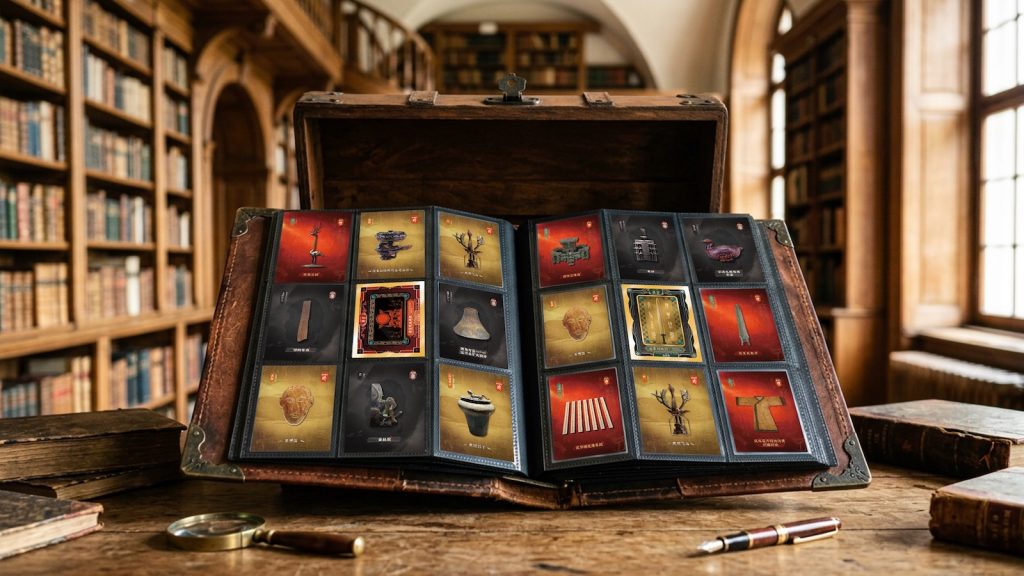
- “一張連結博物館的卡片?你的回憶值得更體面的對待”: This introduces the core concept in an intriguing way. It addresses the desire for a more “dignified” way to store memories. I’ll embed the first image here.
- “不只是儲存,更是你專屬的「數位時空膠囊」”: This uses the keyword “數位時空膠囊” (digital time capsule) directly. I’ll explain what you can store (photos, video, etc.) and embed the YouTube video here to show it in action.
- “一份真正「永不過時」的禮物,把心意存進千年歷史”: This directly targets the “gifting” intent. I’ll paint a picture of giving this as an anniversary or birthday present, making it super relatable. The phrase “存進千年歷史” (store it within a thousand years of history) is very evocative. I’ll place the image of the beautiful card here.
- “每 1000 天,為你的故事寫下新篇章”: This subheading highlights a unique feature (the 1000-day update) that addresses the idea of an evolving, “living” memory.
- “AI 導覽員,帶你解鎖文物背後的故事”: This adds the “tech” and “educational” value, appealing to a different facet of the user’s interest.
-
Conclusion: I’ll summarize the emotional core of the product.
- Recap: It’s more than a gadget; it’s a way to give your personal story a permanent place alongside human history.
- Target Audience: I’ll explicitly mention couples, families, and anyone tired of “disposable” gifts.
- Final Call to Action: A powerful, persuasive sentence that encourages the reader to see the value in preserving their memories this way. “在瞬息萬變的世界裡,為你最珍視的片刻,找到一個永恆的歸宿” (In a constantly changing world, find an eternal home for your most cherished moments). This feels very on-brand for SearchingC.
By following this structured approach, I can ensure the final article is not only well-written and fits the SearchingC style but is also strategically optimized for search engines based on real user B behavior and intent, without ever explicitly stating “this is an SEO analysis.” The final output will be a seamless blend of creative writing and data-informed strategy.【標題】
告別雲端焦慮!MarkYin AI 記憶卡:讓你的專屬故事,與博物館文物一同不朽
【正文】
你有沒有過這種經驗?滑開手機相簿,想找一張去年結婚週年紀念的甜蜜合照,卻迷失在數千張美食、寵物和螢幕截圖的茫茫大海中。那些曾經感動的對話、寶寶第一次開口叫媽媽的珍貴錄音,如今靜靜地躺在某個硬碟深處,隨著時間被淡忘,甚至面臨消失的風險。
在一個習慣「限時動態」與「演算法」決定我們看見什麼的時代,我們最珍視的記憶,似乎都變得廉價而短暫。如果,有一個方法能讓某個特定瞬間,得到像博物館文物一樣的永久典藏呢?
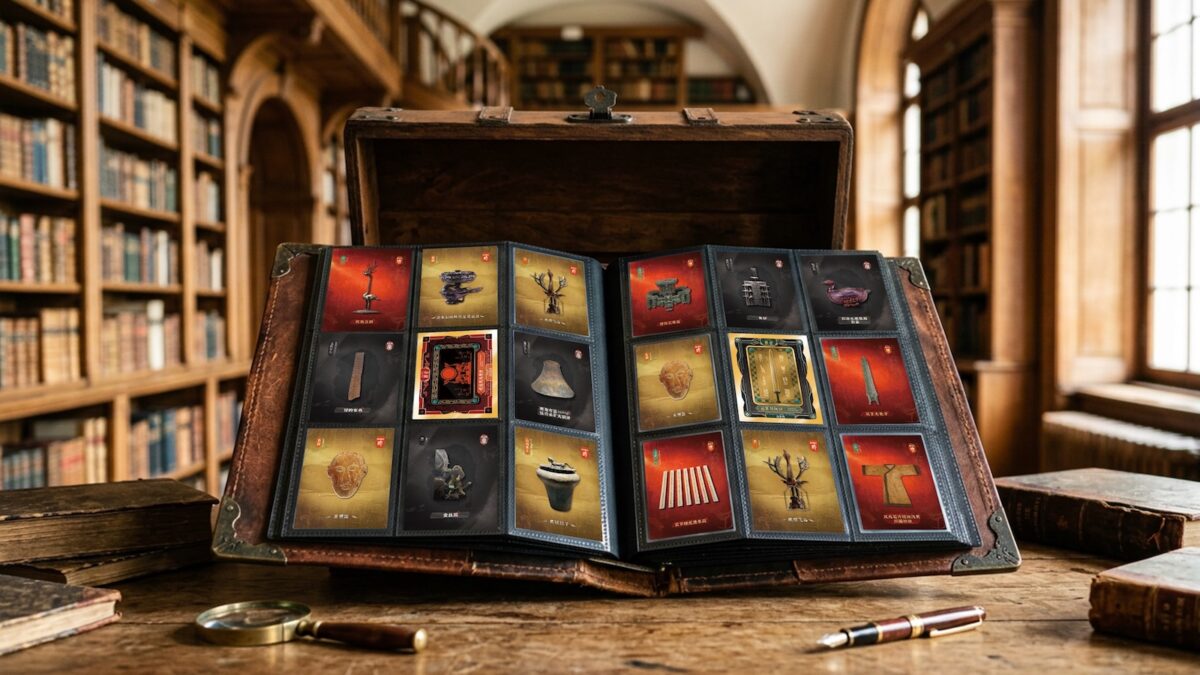
一張連結博物館的卡片?你的回憶值得更體面的對待
第一眼看到 MarkYin,你可能會以為它是一張精美的收藏卡。但它真正的魔力,藏在內嵌的 NFC 晶片裡。它就像一把鑰匙,能打開一扇通往「文明檔案館」的大門,而門的另一端,連結著一件真實收藏於世界各地博物館的古老文物。
你只需要用手機輕輕一觸,就能將一段對你意義非凡的記憶——無論是文字、照片、影片,甚至是聲音——上傳到與這件文物綁定的專屬檔案中。從此,你的個人故事,便與人類的宏大歷史產生了奇妙的連結。
不只是儲存,更是你專屬的「數位時空膠囊」
別再把珍貴回憶丟在混亂的雲端了!MarkYin 提供的是一個更莊重、更具儀式感的存放方式。每一張卡片都對應著獨一無二的文物記錄,啟動後,你可以將:
- 給摯愛的私密情話:把那些打在備忘錄裡的絮語,變成永恆的誓言。
- 家人的溫馨照片:讓全家福的笑容,與歷史一同被珍藏。
- 寶寶的成長影片:不再擔心手機容量,把最珍貴的片段好好安放。
- 父母的聲音記錄:將他們的叮嚀與祝福,化為隨時可以重溫的慰藉。
這些記憶被安全地保存在檔案館中,而非卡片本身。當你或你所愛的人再次用手機輕觸卡片時,伴隨著千年文物的歷史介紹,你們共同的回憶將緩緩重播,那種感動,是任何社交媒體都無法比擬的。
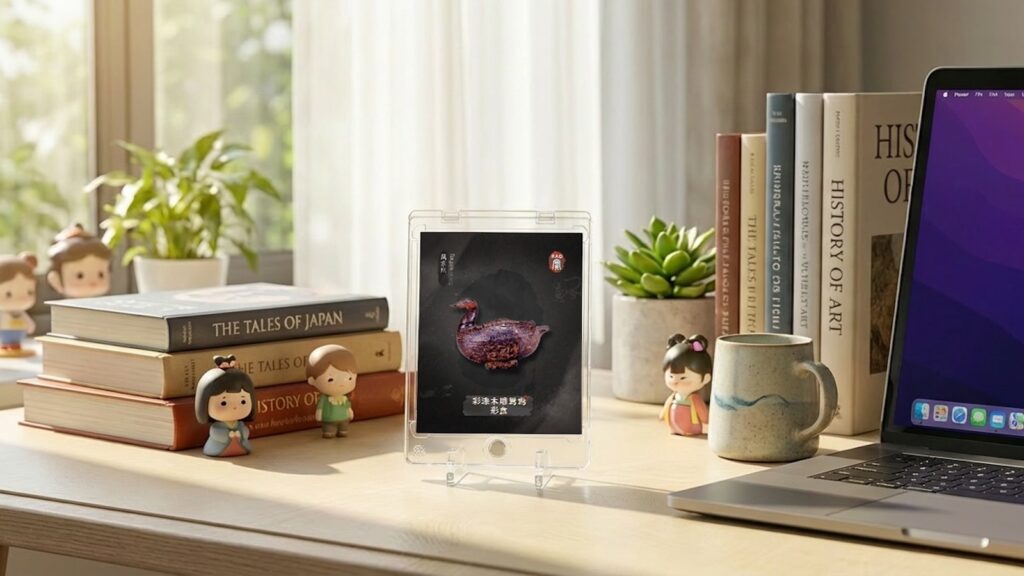
一份真正「永不過時」的禮物,把心意存進千年歷史
還在煩惱紀念日或生日要送什麼嗎?最新的 3C 產品明年就過氣了,但一份承載著共同記憶的禮物,價值卻會與日俱增。
想像一下,你偷偷錄下一段想對伴侶說的話,將它存入 MarkYin 卡片中。當對方在特別的日子收到這份禮物,輕輕一觸,螢幕上不僅展示著一件來自兩千年前「楚國」的珍貴文物,耳邊更響起你溫柔的真情告白。
這份禮物,瞬間變成了一件傳家寶、一個屬於你們的愛情信物。你們的故事,彷彿也成為了歷史的一部分,與那件看盡千帆的文物一起,靜靜地抵抗著時間的洪流。
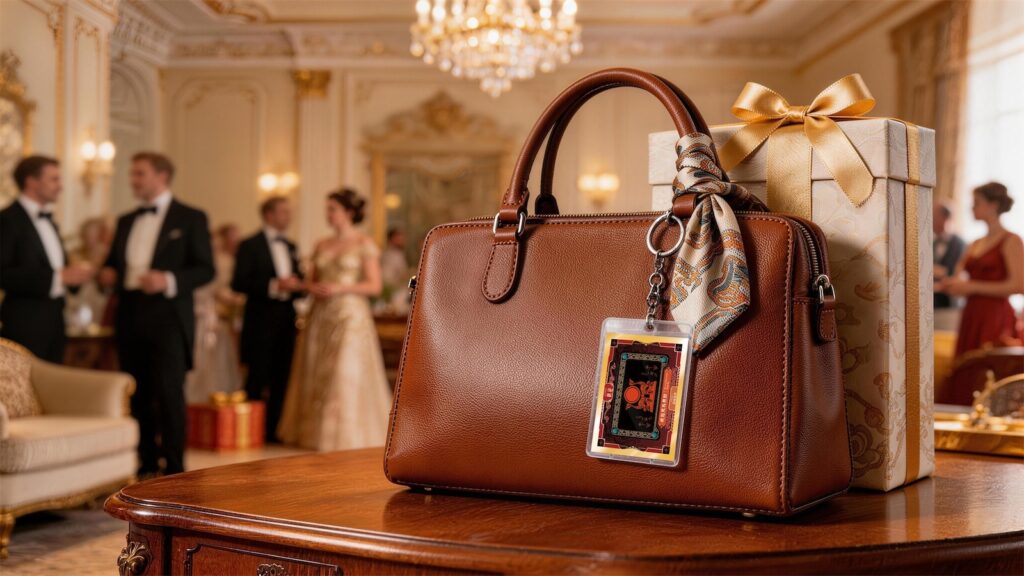
每 1000 天,為你的故事寫下新篇章
MarkYin 的體驗並非一次性。每隔 1000 天,檔案館會為你再次開啟,讓你可以為這段記憶增添新的「篇章」。
這可以是一次人生的里程碑更新、一封給未來孩子的信,或僅僅是一句簡單的問候。它就像一個活的日記,跟隨著你的人生軌跡不斷成長,讓這份連結過去與未來的禮物,始終充滿生命力。
你的私人 AI 博物館導覽員
除了保存你的記憶,每一張 MarkYin 卡片還配備了一位專屬的 AI 導覽員。它精通 40 多種語言,能深入淺出地為你講解這件文物的起源、文化意義和歷史背景,讓你不只是一個收藏家,更是一位歷史的探索者。
大多數人的名字,終其一生都不會出現在博物館的目錄中。MarkYin 提供的不是名留青史的機會,而是一種更溫柔、更私密的可能——讓一個平凡的動人時刻,得以與一件不凡的歷史文物並肩而坐。
它適合送給尋找獨特禮物的你,也適合想為家庭建立數位傳承的你。
在瞬息萬變的世界裡,為你最珍視的片刻,找到一個永恆的歸宿。